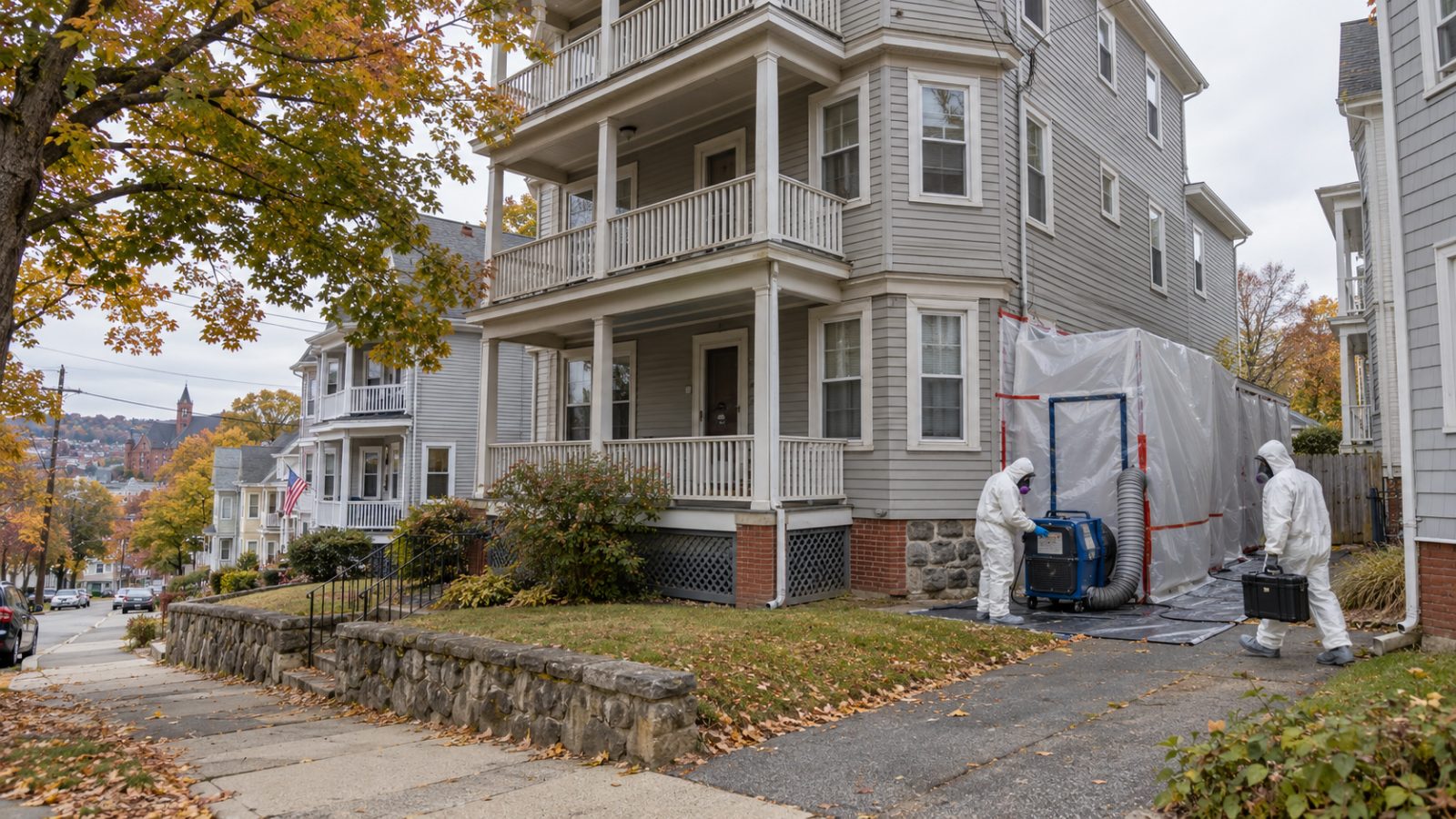
Pipe Insulation. A Defined Removal Scope.
Asbestos Pipe Insulation Removal in Worcester
Discuss the pipe insulation involved. Get a Free Estimate
Pipe Insulation. A Defined Removal Scope.
Discuss the pipe insulation involved. Get a Free Estimate
Concerned about old insulation around heating or plumbing pipes? Do not unwrap, cut, or remove suspected asbestos insulation yourself. Worcester Asbestos Removal helps property owners discuss pipe insulation removal in Worcester, Shrewsbury, Auburn, and Millbury. Start by explaining whether you are planning equipment replacement, arranging a pipe repair, or asking about insulation that has already been identified in a professional report.
We want to understand which pipe runs and fittings are involved, where they are located, and what the next contractor needs to access. Tell us about basement use, nearby belongings, shared building access, and any proposed heating or water interruption. A removal proposal should define the insulation work without implying that plumbing repairs, boiler replacement, or new insulation are included. Bring the larger project plan into the first conversation.
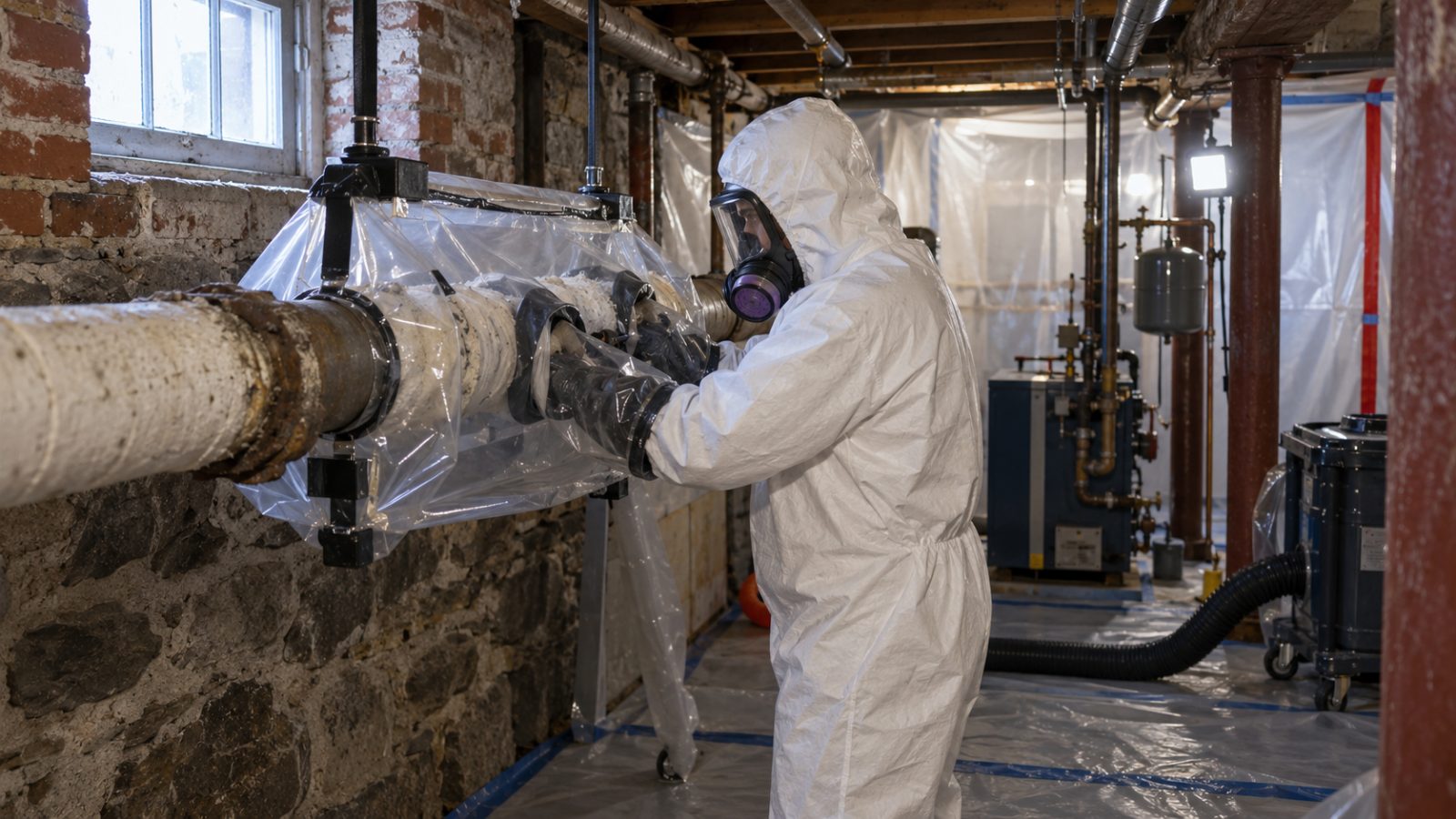
A description such as remove basement insulation leaves too much open to interpretation. We want the proposed work tied to identifiable sections and the purpose of the project. Explain what is already known, what needs further assessment, and which contractor is responsible for equipment or pipe work. The scope discussion should address the insulation itself, the surrounding work area, and the handoff to the next trade. Each part deserves a clear answer before the project schedule is agreed.
Tell us where the insulation is located and which sections are relevant to your planned repair or renovation. A straight run, an elbow, a junction, and a connection near equipment should not be grouped together through a vague description. Share any existing survey or material report so the proposal can refer to the information available. We want the work boundaries described clearly enough that you and the next contractor understand the same scope. There may also be questions about sections behind finishes, above a ceiling, or beyond the area first reported. Those questions should be recorded rather than answered through assumptions. Do not remove a cover or open a wall to improve the description for us. Explain what cannot currently be seen, and ask how any necessary additional assessment would be arranged. The initial estimate should make clear whether concealed sections are excluded, subject to review, or covered by an explicitly defined additional task.
Pipe insulation projects should be discussed in the context of the surrounding space. Tell us whether the basement contains laundry equipment, storage, tenant access, a workshop, or the only route to another part of the building. We want essential access needs and everyday use understood before a work plan is agreed. Describe belongings near the insulation, but do not move items through questionable debris simply to make the area look ready. The appropriate professional must determine the controls for the specific project. An improvised homeowner setup is not the plan we are describing, and a general conversation is not a substitute for a project-specific assessment. Our customer discussion focuses on what the proposed arrangements mean for you: which spaces would be restricted, who needs advance notice, which services may be affected, and how those arrangements relate to the written scope.
Ask the heating or plumbing contractor to identify the access needed for the next stage of work. A clear description helps distinguish insulation removal from equipment work and avoids using a broad request where a specific scope is needed. We want to know who is responsible for any planned service interruption, who will authorize it, and how the parties will confirm that their individual tasks are ready to proceed. At the other end of the project, discuss what information will be available before that contractor returns. The removal agreement should identify its own completion requirements and any separately arranged professional services. New insulation, pipe repairs, equipment installation, and restarting a system are not automatically part of an asbestos insulation removal job. Make those responsibilities explicit so a gap between contractors does not become your problem to untangle after the removal work has reached its agreed endpoint.
| Service | Estimated Cost | Average |
|---|---|---|
| Defined accessible pipe insulation sections | Project-specific written quote | Not published |
| Multiple runs, fittings, or restricted-access sections | Quoted after scope review | Not published |
| Additional assessment or independent monitoring | Confirm separate responsibility and fees | Not published |
No standard price or verified local average is presented here. Ask for a proposal that identifies the included pipe sections, access assumptions, and separate professional charges. Confirm whether any equipment-related tasks are excluded. A length-only description should not replace a written explanation of the actual work being priced.
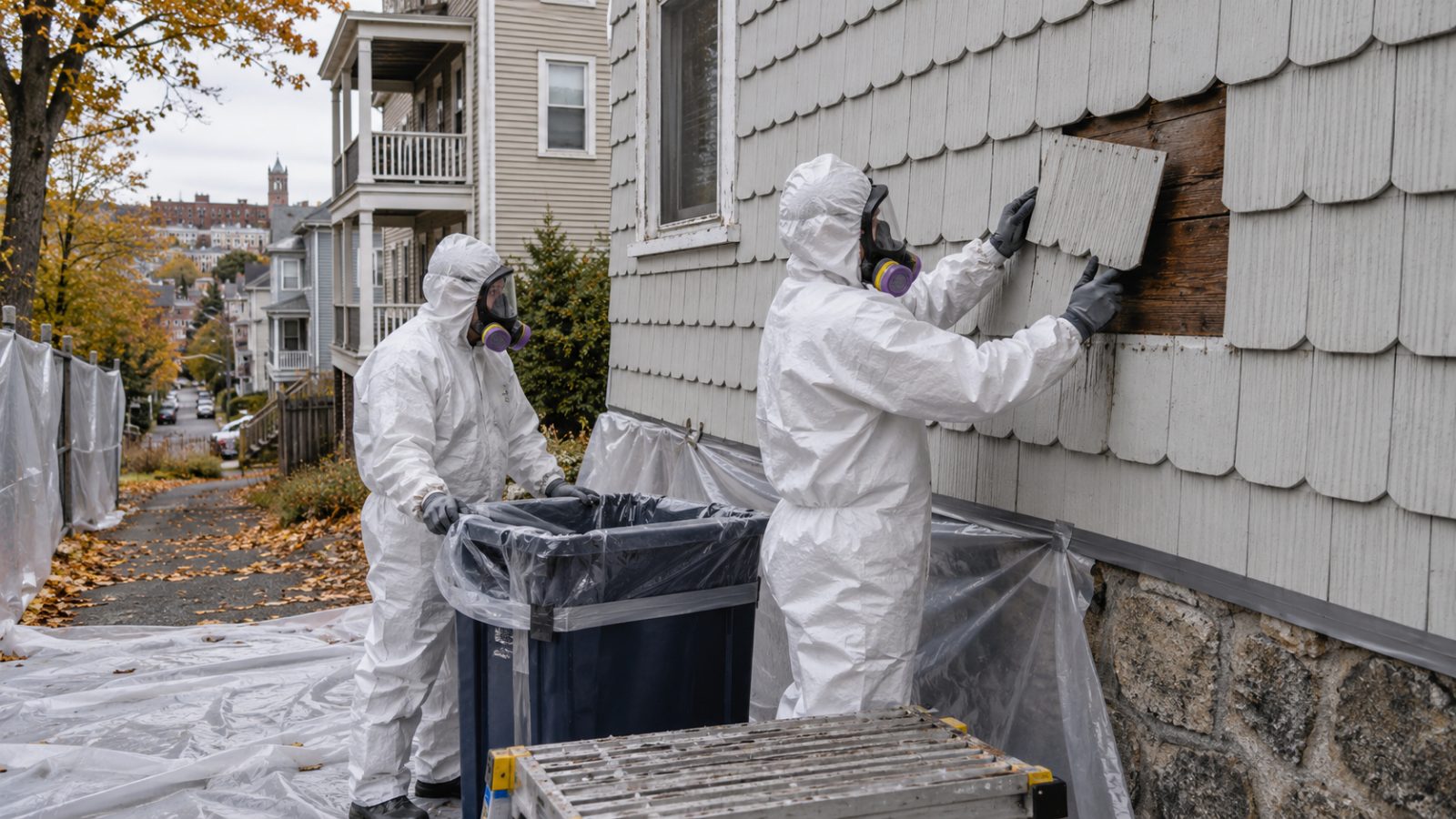
We want the estimate to describe the actual runs and fittings involved. That makes it easier to discuss the proposal with your heating or plumbing contractor and to recognize when a newly identified section would change the original scope.
We ask about laundry areas, shared access, storage, and equipment before treating the basement as an empty work space. Your answers help frame a proposal around the people using the building as well as the insulation being addressed.
We keep asbestos insulation removal separate from pipe and equipment repairs. You should know who is responsible for each task and which information needs to be exchanged before the next contractor resumes their part of the project.
Have a heating or plumbing project waiting on an insulation decision? Start with the pipe sections involved and any existing report.
Free — no obligations
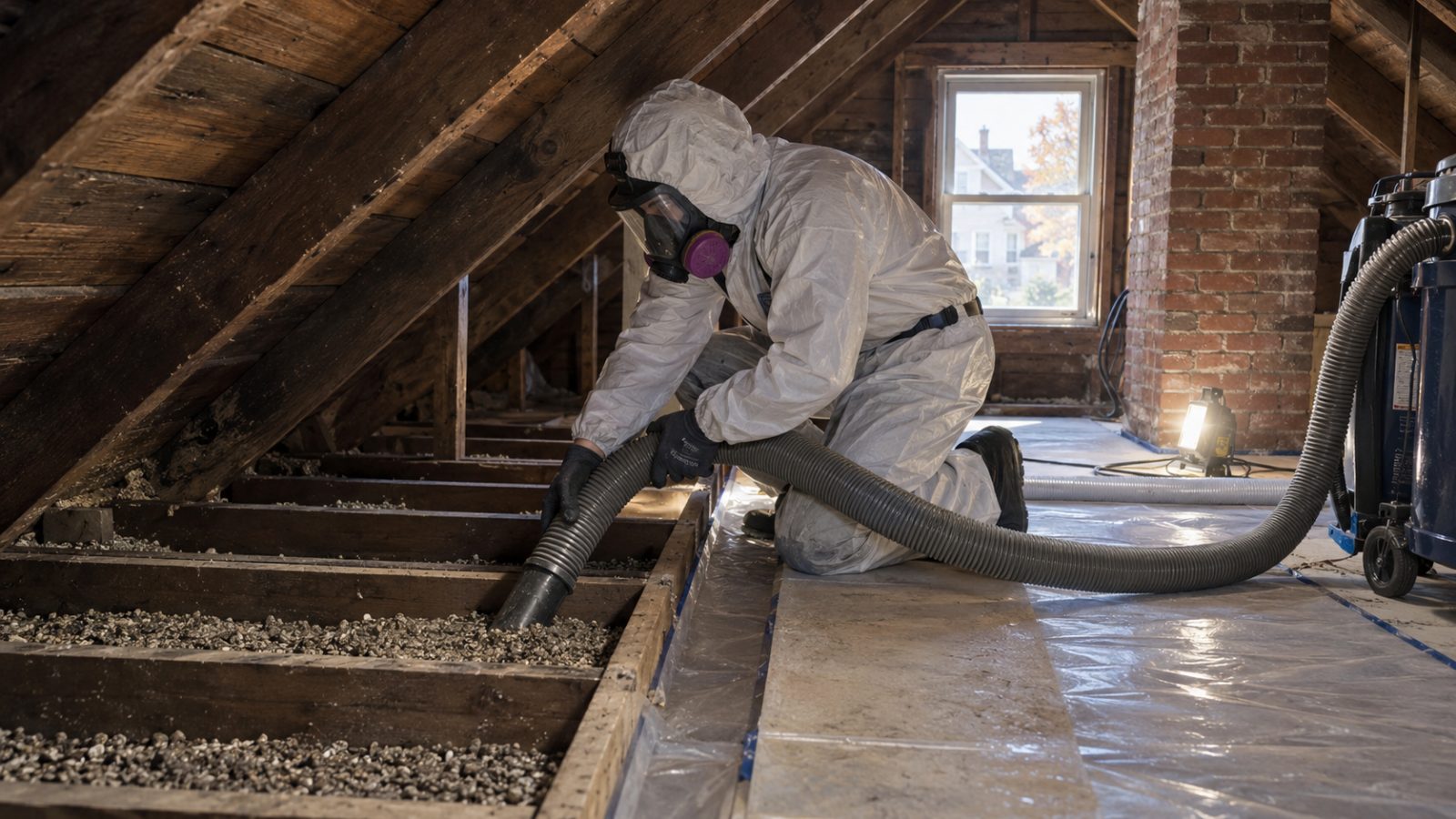
Tell us whether the project relates to a repair, equipment replacement, renovation, or an existing material report. Share the property address and the next contractor's description of the pipe sections they need to access.
Discuss visible sections, fittings, access limitations, and any concealed areas. We want the proposed boundaries, exclusions, and unanswered questions recorded before a general description turns into an assumed commitment to remove everything nearby.
Confirm the contracting entity, required credentials, scheduling requirements, and any independently arranged monitoring. Identify who is responsible for equipment shutdowns, occupant communication, and other tasks that sit outside the insulation removal agreement.
Review the agreed completion information and identify any insulation or areas excluded from the work. The next contractor should receive a clear description of the removal scope rather than a general statement that the entire basement is ready.