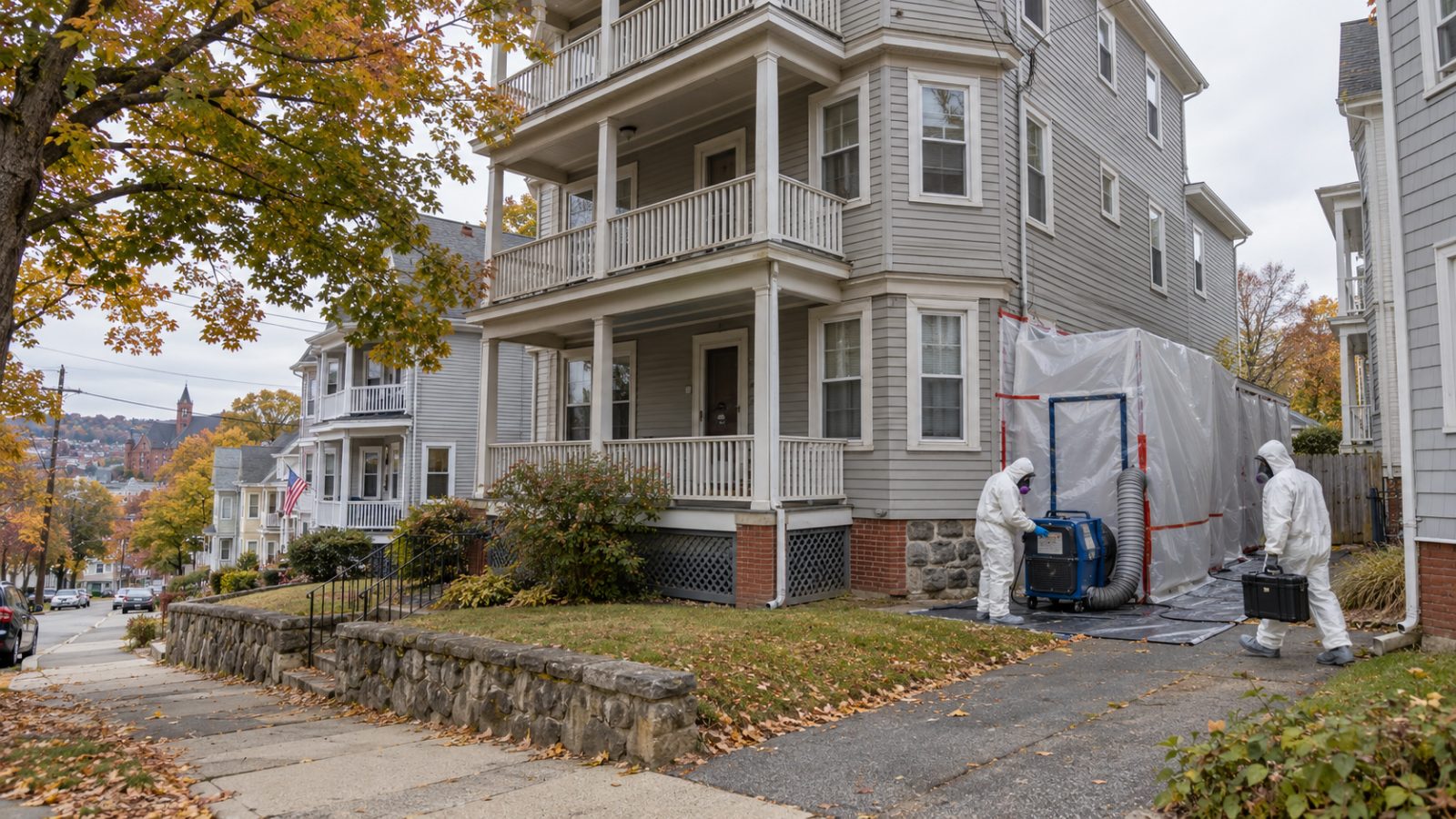
Attic Insulation. Clear Project Boundaries.
Vermiculite Attic Insulation Removal in Worcester
Talk through your attic project. Get a Free Estimate
Attic Insulation. Clear Project Boundaries.
Talk through your attic project. Get a Free Estimate
Planning work around vermiculite attic insulation? Leave it undisturbed and seek professional advice before proceeding. The U.S. Environmental Protection Agency recommends treating it as potentially asbestos-contaminated. Worcester Asbestos Removal offers a starting point for discussing attic insulation removal in Worcester, Shrewsbury, Auburn, and Millbury. Tell us what you hope to accomplish and whether another contractor is waiting to enter or work in the attic.
A useful estimate needs more than an approximate attic size. We want to understand the proposed removal area, how the attic is accessed, what information already exists, and where the removal service ends. Share existing inspection documents and describe stored belongings or other work planned for the space. We will discuss the information needed for a defined proposal without asking you to move insulation, open cavities, or collect a sample.
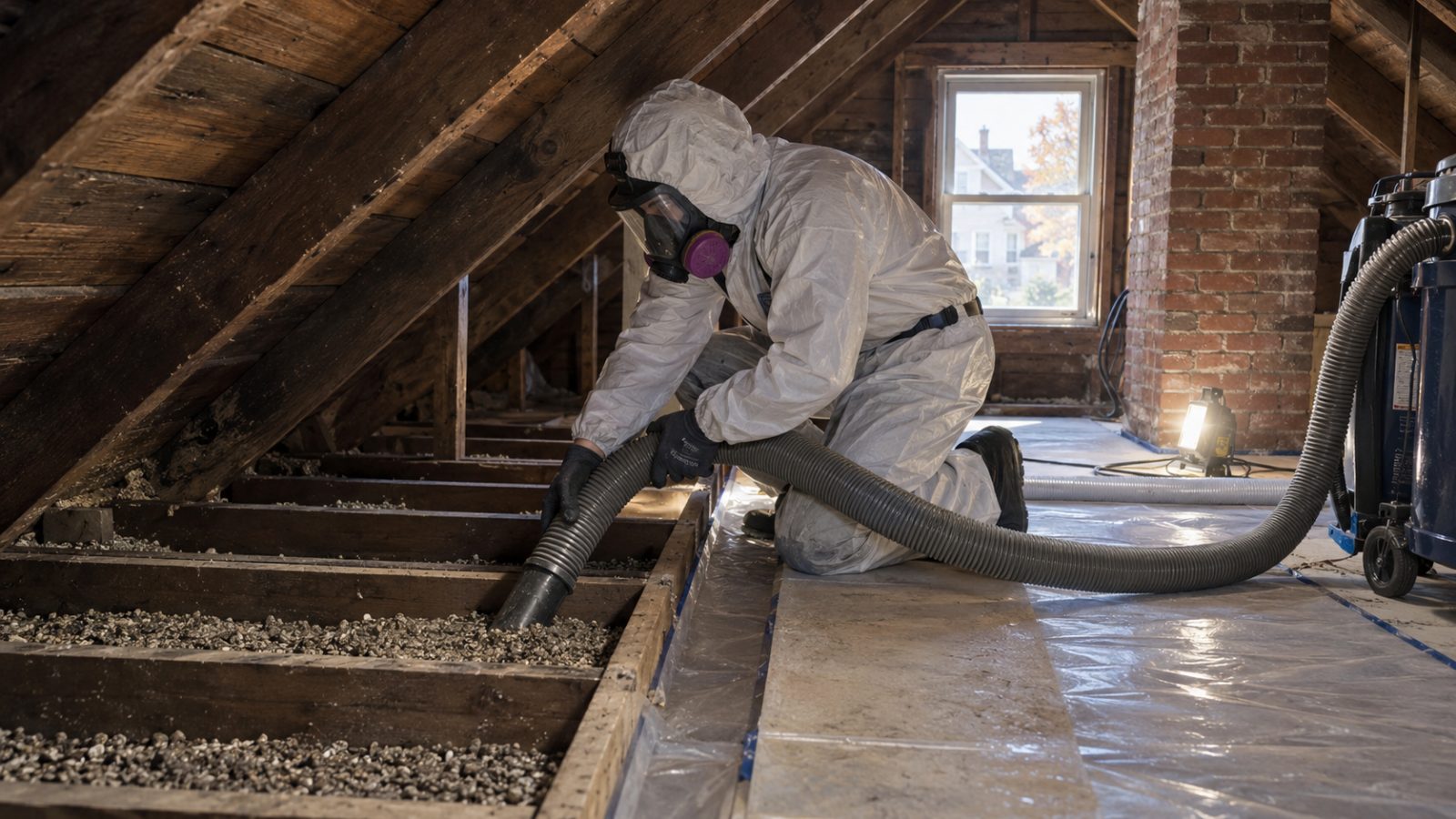
An attic removal proposal should explain which insulation is included, which areas are accessible, and which assumptions require confirmation. We also want to establish who is responsible for related tasks, from handling belongings to arranging replacement insulation. Do not assume that a proposal for attic insulation removal includes wall cavities, concealed spaces, storage-item cleaning, or the next phase of renovation. Each of those questions deserves an explicit answer before a work date is chosen.
Begin with the information already available about the attic. An existing report, a previous contractor's description, or the reason another trade stopped work can help explain the concern. Vermiculite is a mineral that can be contaminated with asbestos; it is not itself another name for asbestos. Our scope discussion should make clear what material is being addressed, which attic sections are included, and whether any areas remain inaccessible or outside the proposed work. We also want to distinguish observations from conclusions. An old note describing insulation is not automatically a complete assessment of the current project. The U.S. Environmental Protection Agency cautions that vermiculite testing can produce misleading results depending on the methods used, so a result should not be treated as permission for casual disturbance. Bring the full report to the discussion, and let the appropriate professional explain what it establishes and what questions remain.
Describe the attic entrance and the rooms or hallways used to reach it. Tell us about pull-down stairs, a ceiling hatch, finished spaces nearby, or an entrance through a closet. You do not need to take measurements that would require entering or disturbing the attic. We want the proposal to acknowledge access conditions rather than assume the work area can be reached without affecting the rest of the household. Stored belongings also need their own discussion. Tell us what is present and whether anyone has already moved items, but do not start clearing the attic to prepare for a visit. We will discuss how belongings, access restrictions, and any necessary additional professional assessment fit into the project. Let us know about household schedules and essential access needs so the plan can address those practical concerns before a removal date is agreed.
Before accepting a proposal, ask what the agreed completion point will be. The discussion should identify the removal boundaries, the completion records expected, and responsibility for any required independent assessment or monitoring. We want you to understand the difference between finishing the agreed removal work and declaring that every part of an attic or building has been investigated. Unopened cavities and excluded areas should not disappear from the conversation at the end of the job. Replacement insulation, air sealing, ventilation changes, electrical repairs, and carpentry should be discussed with the contractors responsible for those tasks. We do not present removal as a complete energy-improvement package. Tell us which trade is scheduled next and what information that contractor needs before returning. A clearly described handoff gives everyone a shared starting point without promising an installation-ready condition that has not been included in the removal agreement.
| Service | Estimated Cost | Average |
|---|---|---|
| Defined attic insulation removal scope | Site-specific written quote | Not published |
| Restricted-access or separately defined attic areas | Quoted after scope review | Not published |
| Additional assessment or independent monitoring | Confirm separate responsibility and fees | Not published |
These are quoting categories, not fixed-price packages. We do not publish an unverified regional average as your likely bill. Ask the proposal to identify removal boundaries, access assumptions, waste-related charges, and any separately arranged professional services. Replacement insulation and related building work should be expressly included or excluded rather than assumed.
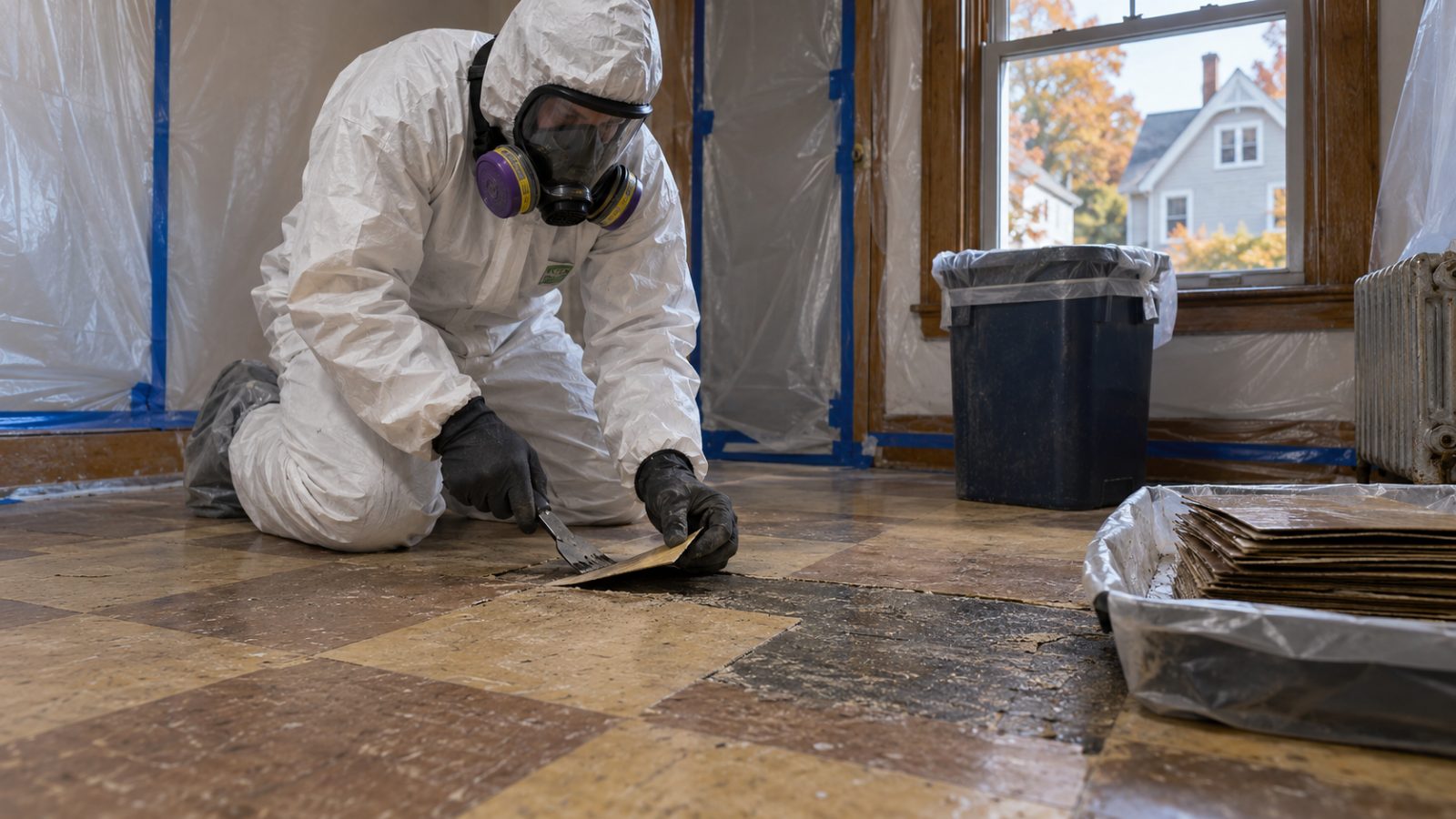
We focus on the actual insulation project instead of treating it as general demolition. Tell us what work is planned next so the removal discussion addresses the attic areas involved and the questions that matter to that handoff.
We want inaccessible spaces and uncertain boundaries identified in the proposal. That gives you an opportunity to ask about additional assessment before assuming that attic removal also covers wall cavities, enclosed edges, or other concealed areas.
We separate the removal scope from new insulation and other improvements. You can then discuss those next-stage tasks with the responsible contractor without confusing a removal estimate with a promise to complete the entire attic renovation.
Planning an attic project in the Worcester area? Tell us about the insulation and the work you hope to complete.
Free — no obligations
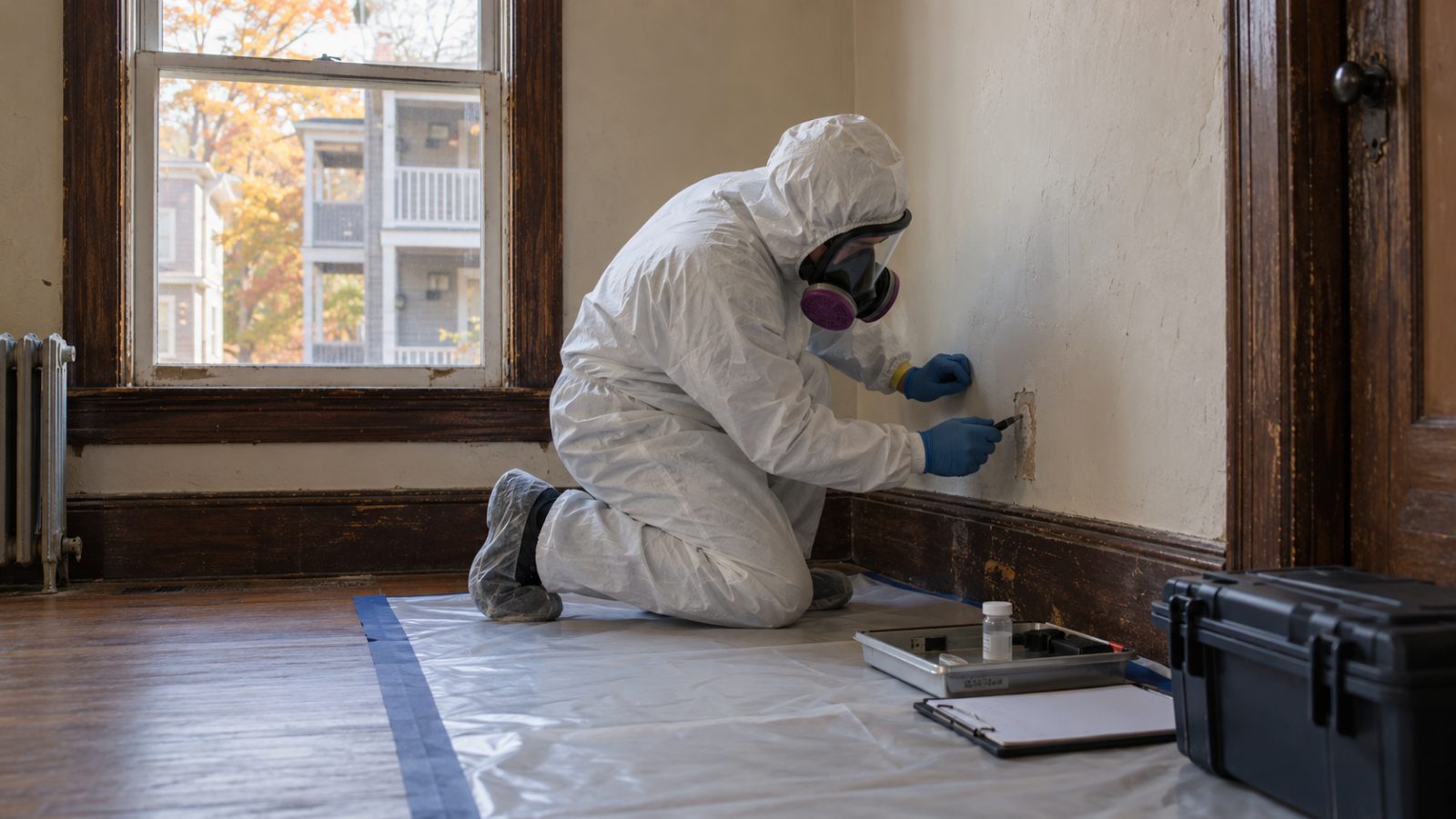
Share the property address, the reason for the proposed work, and any existing reports. Tell us what you already know about access and stored belongings without entering the attic or disturbing insulation to gather more information.
Discuss the insulation areas involved, access assumptions, exclusions, and information still needed. This is also the point to identify other contractors, the preferred schedule, and who can approve decisions on behalf of the property owner.
Before work is booked, confirm the contracting entity, required credentials, project requirements, and responsibility for any independently arranged services. Get the agreed scope and relevant charges in writing rather than relying on the initial conversation.
Review the completion information identified in the agreement and clarify any areas that remain outside the scope. Confirm the handoff to the next contractor without treating removal completion as approval for every other aspect of the renovation.